

A fiberglass pool is often chosen for its smooth finish, fast installation, and lower day-to-day upkeep compared with some other pool types. But homeowners still need a realistic budget after the installation crew leaves. Your fiberglass pool maintenance cost depends on how you care for the pool, the equipment you select, how long Connecticut weather allows you to swim, and whether you hire professional service.
For most Connecticut homeowners, annual maintenance is not one single bill. It is a combination of water treatment, electricity, seasonal opening and closing, routine cleaning, and the occasional repair. Understanding those categories before you buy helps you plan for ownership with fewer surprises.
Typical Fiberglass Pool Maintenance Cost Per Year
A well-maintained fiberglass pool commonly costs about $1,200 to $3,000 per year to operate and maintain when you handle most routine tasks yourself. Homeowners who use weekly professional pool service, have older equipment, or need extra repairs may spend more.
Fiberglass pools can sit at the lower end of the maintenance range because their nonporous gelcoat surface is less likely to hold algae than a rough concrete finish. That does not mean they are maintenance-free. The water still needs to be balanced, the filter still needs attention, and Connecticut pools still need to be professionally opened and winterized.
Your actual number can shift from year to year. A mild season with dependable equipment may be relatively inexpensive. A summer with heavy pool use, frequent storms, a pump issue, or persistent water chemistry problems will cost more.
Where Your Annual Pool Budget Goes
Chemicals and water testing
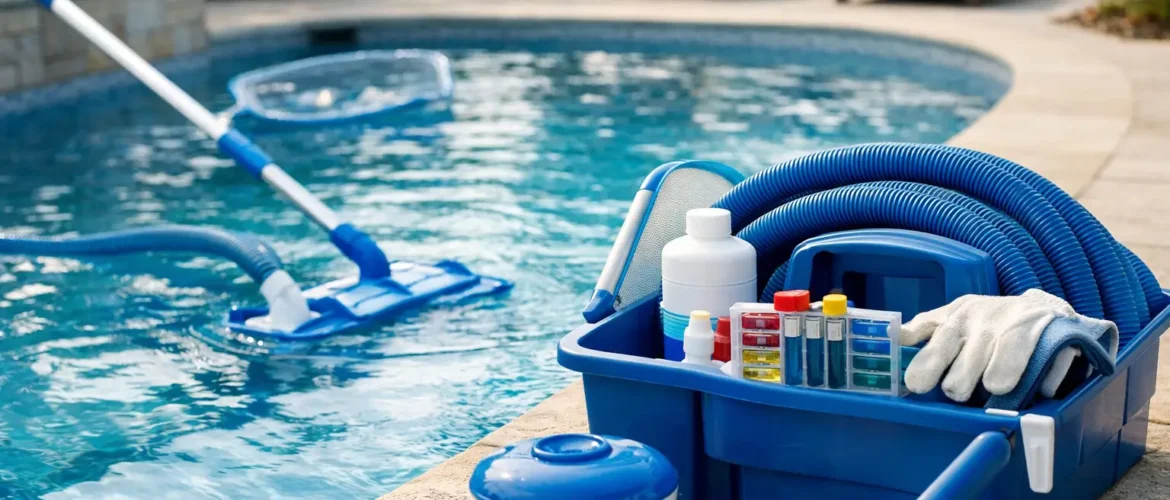
Most homeowners spend roughly $300 to $800 each season on chemicals, test supplies, and smaller water-care items. That may include chlorine or salt, shock treatment, pH increaser or decreaser, alkalinity products, stabilizer, algaecide when needed, and filter cleaner.
A saltwater system changes the way chlorine is produced, but it does not eliminate chemical costs. Salt cells eventually wear out, and every pool still needs regular testing and balancing. Rainwater, sunscreen, pollen, leaves, swimmer load, and high temperatures all affect chemistry.
If you stay on top of testing once or twice a week, minor adjustments are usually less expensive than correcting a green pool or severe scale buildup. For homeowners who prefer a hands-off approach, professional water testing and service can be money well spent.
Electricity for the pump and equipment
The circulation pump is one of the most consistent operating costs. In Connecticut, electricity for a pool can range from about $50 to $150 or more per month during the swim season, depending on pump size, run time, local utility rates, water features, and whether you heat the pool.
A variable-speed pump generally costs more upfront than a single-speed model, but it can substantially reduce energy use over time. Proper programming matters. Running a pump at a lower speed for longer periods is often more efficient than running it at high speed for a short window.
A pool heater can add significantly to the budget. Gas, propane, and electric heat pump costs vary widely based on your preferred water temperature, outdoor temperatures, wind exposure, and how consistently you use a pool cover. Heating is optional, but it should be included in your ownership planning if you want to extend the Connecticut swimming season.
Opening and closing service
Seasonal service is a major part of pool ownership in the Northeast. A professional spring opening may cost approximately $300 to $600, while a fall closing and winterization often runs about $400 to $800. Prices depend on pool size, cover type, plumbing configuration, water features, and any needed cleanup or adjustments.
A proper closing is not a corner to cut. Water must be lowered to the appropriate level, lines need to be blown out, equipment must be protected, and the cover needs to be installed securely. A missed step can leave you with freeze damage, staining, or a difficult opening next spring.
Safety covers cost more than basic winter covers, but many homeowners value the added security, cleaner spring opening, and longer-term durability. The right cover can also reduce the amount of debris and cleanup work that reaches the pool.
Cleaning and routine service
If you clean the pool yourself, your recurring costs may be limited to replacement skimmer baskets, vacuum parts, brushes, and occasional equipment supplies. A robotic cleaner adds an upfront purchase cost but can reduce the time spent vacuuming and help keep debris from overworking the circulation system.
Weekly professional service usually raises the annual budget, but it provides convenience and experienced eyes on the equipment. A technician can spot a small leak, weak pump performance, damaged O-rings, or early water-balance problems before they become larger repairs. This is especially helpful for busy families, second-home owners, or homeowners new to pool care.
Fiberglass Pool Costs Compared With Other Pool Types
Fiberglass pools are not automatically the cheapest pool to own, but they often offer predictable maintenance. Their smooth surface typically requires less brushing and may use fewer chemicals than a concrete pool, which is more porous and can be more prone to algae growth.
Vinyl liner pools have their own maintenance advantages, but liner replacement is a long-term expense that fiberglass owners generally do not face. A fiberglass shell does not require periodic resurfacing in the way concrete pools do. Over time, that can make the ownership picture appealing for homeowners who want an attractive inground pool without planning for a major surface renovation cycle.
The trade-off is that fiberglass pools still rely on pumps, filters, heaters, plumbing, and automation systems. Those components have service lives, regardless of the shell material. Choosing quality equipment and maintaining it properly has a bigger impact on long-term costs than trying to avoid routine care.
Repairs That Can Change the Budget
Most years will not include a major repair, but it is wise to keep a reserve for the unexpected. A leaking valve, worn pump seal, broken pressure gauge, damaged pool light, or malfunctioning automation component can range from a modest service call to a more meaningful expense.
Pumps, heaters, salt cells, and filters are usually the equipment items homeowners watch most closely. Repair or replacement costs depend on the model, age, accessibility, and extent of the problem. Waiting until equipment fails completely can create more inconvenience and sometimes more damage than scheduling service when you first notice unusual noise, weak circulation, air bubbles, or inconsistent heating.
The fiberglass shell itself is durable, but it should be inspected if you notice cracking, fading, unusual discoloration, or movement around fittings. Early evaluation is the practical move. A qualified pool professional can determine whether the issue is cosmetic, related to water chemistry, or connected to surrounding soil, plumbing, or installation conditions.
How to Keep Costs Under Control
The lowest-cost approach is not neglecting the pool until something goes wrong. It is consistent, basic care. Keep the water balanced, empty baskets before they restrict flow, clean or backwash the filter as recommended, maintain the proper water level, and address equipment changes quickly.
A few decisions also make a noticeable difference. Use a cover when the pool is not in use to reduce evaporation and heat loss. Consider energy-efficient equipment when replacing an older pump. Do not overuse chemicals simply because the water looks slightly cloudy – test first, then treat the actual issue.
For Connecticut homeowners, a dependable opening and closing routine is equally valuable. Winter weather puts real stress on pool systems, and professional winterization protects the investment you made in the backyard.
Get a Maintenance Plan That Fits Your Pool
The right maintenance budget is based on your specific pool, equipment, cover, heating choices, and how much service you want to handle yourself. A new fiberglass pool with efficient equipment and a disciplined owner may stay near the lower end of the range. A heated pool with weekly service and aging equipment will naturally require more.
EZ Aqua Fiberglass Pools can help Connecticut homeowners assess maintenance needs, seasonal service, repairs, and equipment upgrades. A clear plan for care lets you spend less time reacting to pool problems and more time enjoying the backyard you built.
Pingback: Pool Heat Pump Versus Gas Heater: Which Fits? - EZ Aqua Fiberglass Pools
Pingback: Pool Restoration: Repair, Renovate, or Rebuild? - EZ Aqua Fiberglass Pools