

A Connecticut pool can look ready for summer weeks before the water feels ready to use. That is why the pool heat pump versus gas heater decision matters well beyond the equipment pad. The right heater affects how quickly you can open in spring, how comfortably your family swims in September, what you spend to operate the pool, and how you use your backyard.
A heat pump and a gas heater can both extend your swimming season. Neither is automatically the better choice for every homeowner. Your pool size, desired water temperature, fuel availability, electric service, budget, and swimming habits should drive the decision.
Pool Heat Pump Versus Gas Heater: The Real Difference
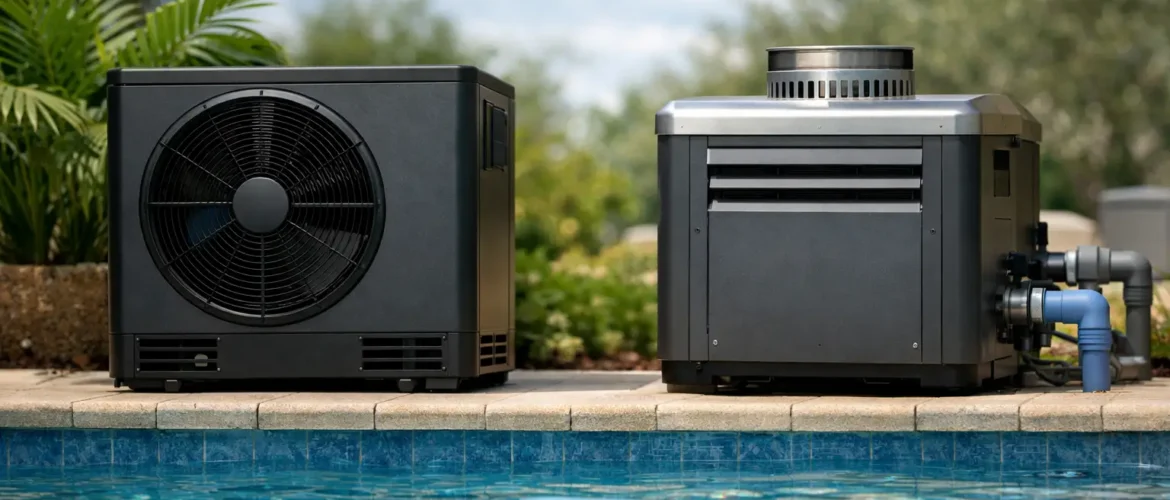
A gas pool heater creates heat by burning natural gas or propane. It delivers a high volume of heat to the pool water quickly, which makes it a strong choice when speed matters. If the water is cold after a rainstorm or you want the pool warm for a weekend gathering, a properly sized gas heater can make a noticeable difference in a short period.
A pool heat pump works differently. Instead of generating heat through combustion, it pulls heat from the outdoor air and transfers it to the pool water. It uses electricity to run the fan and compressor. Because it moves existing heat rather than creating all of it from fuel, it can be very efficient in suitable weather.
That difference explains the biggest trade-off. Gas heaters usually heat water faster, while heat pumps usually cost less to operate when outdoor temperatures are warm enough. For many Connecticut homeowners, the choice comes down to whether they want dependable rapid heating or steady, economical temperature maintenance.
How Connecticut Weather Changes the Answer
Pool heaters do not operate in a vacuum. Connecticut has cool spring nights, humid summer days, and shoulder seasons that can change quickly. A heater that performs well in July may not be the best match for an April opening or an October weekend.
Heat pumps perform best when the air is consistently warm. They can be an excellent fit for homeowners who plan to maintain a comfortable water temperature throughout the main swim season. Once the water reaches the set temperature, a heat pump can maintain it efficiently, especially when the pool is protected with a quality safety cover or solar blanket when not in use.
As air temperatures drop, a heat pump has less available heat to collect and becomes less efficient. Some newer models are designed to operate in cooler conditions, but output still declines as the air gets colder. If your goal is early spring and late fall swimming, or if you want to heat the pool regardless of a chilly forecast, a gas heater has the advantage.
A gas heater is less dependent on outdoor air temperature. It can provide strong heating performance during cool, damp weather, which is common at the edges of the Connecticut pool season. That makes gas particularly attractive for homeowners who use the pool selectively rather than every day.
Heating Speed: Is Fast Recovery Worth More?
Think about how your household actually uses the pool. A family that swims several afternoons a week may prefer to keep the water at a stable temperature. In that situation, heating slowly and steadily is usually not a problem. A heat pump can be a practical long-term choice.
A homeowner who uses the pool mainly for weekends, parties, or occasional evening swims has a different need. Letting the water cool between uses and then bringing it back up quickly is where gas heating shines. A gas heater can recover temperature much faster than a typical heat pump, particularly when the pool has lost heat overnight or after several cool days.
Fast recovery is also valuable for spas. If your pool system includes a spa that you want ready on demand, gas is often the more practical option. Heat pumps can heat spas, but the waiting time may not match how most homeowners expect to use one.
Do not size a heater based only on the pool’s gallons. Pool surface area, wind exposure, shade, whether you use a cover, desired temperature, and how early you want to open all affect the proper capacity. An undersized heater can leave you paying for equipment that never delivers the comfort you expected.
Operating Cost Depends on How You Use It
A heat pump typically has the lower operating cost during warm weather because it uses electricity efficiently. Its performance is often described by a coefficient of performance, or COP. A higher COP means the unit is delivering more heat for the electricity it consumes. Actual operating cost still depends on the outdoor temperature, your electric rate, the pool’s heat loss, and how high you set the water temperature.
Gas heaters generally cost more per hour to run, but hourly cost is not the whole story. If you only heat your pool before a few special occasions, a gas heater may run for fewer total hours over the season. In that case, the convenience of quick heating can outweigh the higher fuel cost.
Natural gas availability matters. Homes with an existing natural gas line near the equipment area may have a simpler path to gas heat than homes that need a new line or propane tank installation. Propane is a workable option, but fuel pricing and tank logistics should be part of the budget discussion.
Electric service matters for heat pumps. Most pool heat pumps require a dedicated electrical circuit, and older homes may need panel work or electrical upgrades. A site evaluation should account for those costs before comparing equipment prices.
Upfront Installation and Equipment Considerations
The heater itself is only part of the project. A gas heater may require gas piping, a regulator, shutoff valves, venting clearances, and permits. A heat pump needs adequate electrical capacity, proper placement, plumbing connections, and open airflow around the cabinet.
Heat pumps are larger than many homeowners expect and use a fan to pull air through the unit. They are not excessively loud, but placement matters if the equipment pad is close to a patio, bedroom window, or neighboring property. A qualified installer can help select a location that meets manufacturer clearances without making the heater an unwanted feature of the backyard.
Gas heaters are more compact, but they also require safe clearances and proper combustion ventilation. Neither type should be selected solely because it looks easier to fit beside the filter. Equipment layout needs to leave room for future service, plumbing access, and safe operation.
For fiberglass pools, the heater choice is not limited by the pool shell. Both gas heaters and heat pumps can work well with a fiberglass pool when the circulation system, plumbing, and heater size are designed correctly. The same is true for many vinyl-lined and above ground pool systems, though equipment sizing and installation details may differ.
When a Heat Pump Makes the Most Sense
A heat pump is often the better fit if you swim regularly from late spring through early fall, prefer predictable monthly operating costs, and are comfortable warming the pool gradually. It is especially appealing when you plan to use a cover consistently. Covering the pool reduces evaporation, which is one of the largest sources of heat loss.
It also makes sense for homeowners who like to keep the water at a set temperature rather than heating from cold water each time they want to swim. Give the heat pump time to do its work, and it can provide comfortable water without the fuel burn associated with a gas unit.
When a Gas Heater Is the Better Investment
Choose gas when you want flexibility. It is the stronger option for early openings, late closings, cool-weather weekends, fast temperature recovery, and on-demand spa heating. It is also a smart choice for homeowners who use the pool less frequently but want it warm quickly when they do.
Gas can be the practical answer even for a homeowner focused on operating cost. If the pool is not heated every day, paying more during a shorter run time may be preferable to maintaining water temperature all season. The best choice is based on total seasonal use, not one utility bill or one equipment price.
Could a Hybrid Approach Work?
Some homeowners benefit from using both technologies. A heat pump can maintain the pool efficiently through the core summer season, while a gas heater provides rapid boosts during cool spells or extends swimming into the shoulder seasons. This approach requires a higher initial investment and more equipment space, but it offers excellent flexibility for households that use their pool heavily.
It is not necessary for every backyard. In many cases, selecting one properly sized heater and pairing it with a dependable pool cover produces the best value. The key is to be realistic about how your family will use the pool after the excitement of installation has passed.
Before choosing equipment, have your pool’s dimensions, exposure, circulation system, electrical service, and fuel options reviewed together. EZ Aqua Fiberglass Pools can help Connecticut homeowners plan a heating solution that fits the pool, the property, and the way the backyard will actually be used. A well-sized heater and a good cover can turn more of those cool, clear Connecticut days into swim days.