

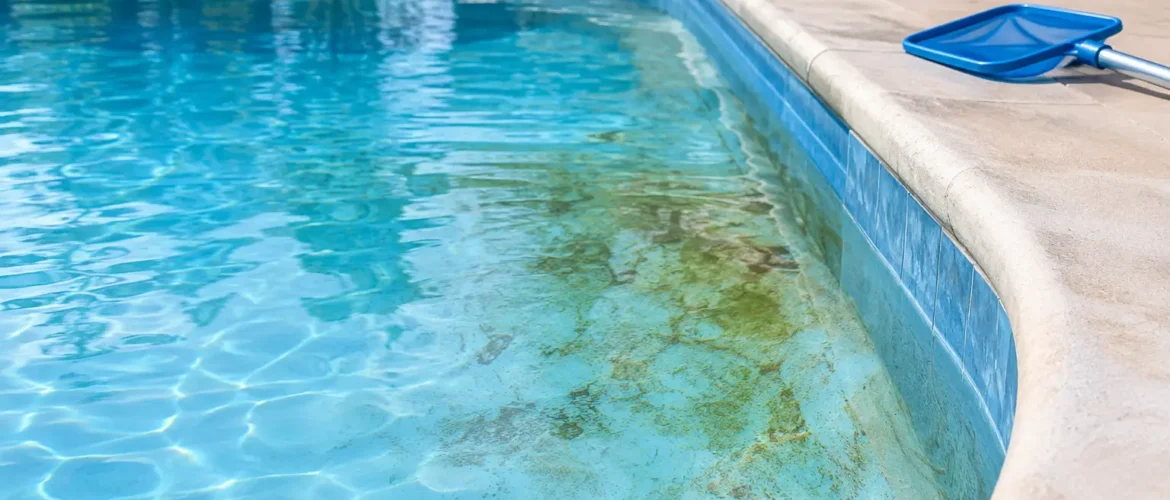
A pool can look perfectly clear and still have a stain that makes the whole surface seem neglected. The question of what causes pool stains is not always simple, because a brown spot, a green streak, and a chalky white line can each point to a different issue. The right fix starts with identifying what is actually on – or in – the pool surface.
For Connecticut homeowners, stains often show up after opening season, following heavy rain, or when leaves and debris sit in the water longer than they should. Water chemistry, source water, surface type, and routine maintenance all play a role. Treating every discoloration with chlorine or aggressive brushing can waste time and, in some cases, make the problem worse.
What Causes Pool Stains Most Often?
Most pool stains fall into two categories: organic stains and mineral stains. Organic stains come from natural material, such as leaves, berries, pollen, algae, or acorns. Mineral stains are caused by metals or calcium in the water. There are also surface issues that resemble stains, including scale buildup, fading, and damage to a liner or finish.
Color can offer a useful clue, but it is not a complete diagnosis. A brown stain may be a leaf tannin, iron, or manganese. Greenish or blue-green marks can indicate copper, while a white or gray rough patch is often calcium scale. Looking at where the stain appears and how it reacts to brushing provides a clearer picture.
Organic Stains From Leaves, Debris, and Algae
Organic stains are common in backyards with mature trees, heavy pollen, or frequent windblown debris. When leaves, acorns, berries, mulch, or other plant material settle on the pool floor, they release tannins as they break down. Those tannins can leave yellow, brown, reddish, or nearly black marks behind.
A stained area beneath a skimmer basket, near steps, or in a low-circulation corner may also be related to algae. Algae is not always bright green. It can appear yellow, mustard-colored, dark green, or black, especially when it has established itself in a rough area or along a seam. Algae can stain a surface, but it can also cling to it, which is why brushing may loosen or change the appearance of the spot.
Organic stains typically respond to proper brushing, balanced chlorine levels, and a targeted stain treatment. The trade-off is that adding more chlorine is not a cure-all. If leaves remain in the pool or circulation is poor, the stain source will return.
Metal Stains From Iron, Copper, and Manganese
Metal stains can be frustrating because the pool water may look clear. Iron is often introduced through well water, source water, corroding equipment, or certain chemical products. It commonly leaves orange, rust-colored, brown, or dark spots. Manganese can create brown, black, or purplish discoloration.
Copper is another frequent cause. It can come from copper-based algaecides, degraded heater components, or water with naturally occurring metals. Copper stains are often blue-green, teal, gray, or black. Homeowners sometimes mistake them for algae and add more algaecide, which can add more copper to the water and deepen the problem.
A professional water test is the best way to confirm metals. Once metals are present, the solution may involve a quality sequestrant, adjusted water balance, controlled treatment, and in some cases partially replacing water. Draining a pool without a plan is not automatically the answer, especially for an inground fiberglass pool where groundwater conditions and safe water management matter.
Calcium Scale That Looks Like a Stain
Not every mark is technically a stain. Calcium scale is a mineral deposit that forms when calcium hardness and pH are too high, particularly in warmer water or around the waterline. It often looks white, off-white, gray, or slightly yellow and feels rough to the touch.
In Connecticut, scale can be more noticeable after water chemistry drifts during a busy summer or after a pool sits closed for months. Water evaporation can concentrate minerals near the tile line and surface edges. Scale may also form around returns, ladders, and other areas where water movement changes.
Scale requires a different approach than an organic stain. Brushing may help with minor buildup, but heavy deposits may need specialized treatment. Avoid using harsh acids or abrasive tools without knowing whether your pool has fiberglass, vinyl, plaster, tile, or another finish. A method that is acceptable on one surface can damage another.
Pool Surface Type Changes the Diagnosis
Fiberglass pools have a smooth gelcoat surface that is generally easier to clean and less porous than plaster. That can help reduce the places where algae and minerals take hold, but fiberglass can still develop stains from metals, organic debris, poor chemistry, or neglected waterline buildup. Abrasive pads and unapproved chemicals can dull or damage the gelcoat, so the stain-removal method needs to fit the surface.
Vinyl liners require even more care. A stain may sit on the liner surface, but discoloration can also be related to fading, wrinkles, age, or material changes. Aggressive scrubbing, harsh acid products, and improper chemical application can weaken a liner or create permanent damage.
Concrete and plaster finishes are porous, which makes them more susceptible to embedded staining and scale. They may need more involved cleaning or restoration than a smooth fiberglass surface. This is one reason a quick visual inspection is useful before buying a stain remover off the shelf.
How to Narrow Down the Cause of a Pool Stain
Start by noting the stain’s color, texture, and location. Is it directly beneath where leaves collect? Is it concentrated near a return fitting, a ladder, or the waterline? Does it feel rough? Does it brush away, lighten, or remain unchanged?
Next, test the water. At minimum, check pH, alkalinity, sanitizer level, calcium hardness, and stabilizer. If the stain is unusual or keeps returning, test for iron, copper, and other metals. Water balance will not remove every existing stain immediately, but it prevents conditions that allow staining and scaling to continue.
It also helps to think about recent changes. Did you fill the pool from a well? Add an algaecide? Install or repair a heater? Open the pool after a season with heavy leaf buildup? These details often point directly to the source.
Preventing Stains Before They Set In
The simplest prevention is consistent debris removal. Skim the surface, empty baskets, vacuum settled material, and avoid letting wet leaves stay on the pool floor for days. A properly fitted safety cover can also reduce the amount of organic debris entering the pool during the off-season.
Maintain balanced water rather than chasing one test result at a time. High pH can contribute to scale and metal precipitation, while poor sanitizer control invites algae. If you use well water or have had metal staining before, ask for metal testing before adding large amounts of fresh water.
Use pool chemicals exactly as directed, and do not apply concentrated products directly against a liner or fiberglass surface. Keep circulation equipment in good working order so water does not sit stagnant in corners, steps, and shallow areas. Regular brushing matters, even in a fiberglass pool, because it removes early buildup before it becomes a visible problem.
When a Stain Needs Professional Help
Call for service when stains spread quickly, return after treatment, appear after equipment problems, or do not match an obvious organic cause. Black marks near metal fittings, turquoise staining, persistent rust-colored spots, and heavy scale are all worth evaluating before using stronger chemicals.
A local pool professional can test the water, identify the surface material, inspect equipment, and recommend a treatment that protects the pool instead of creating a larger repair. EZ Aqua Fiberglass Pools can help Connecticut homeowners sort out whether a stain is a maintenance issue, a water chemistry issue, or a sign that the pool needs repair or renovation.
A clean pool is not just about appearance. Addressing stains early protects the surface, keeps water easier to manage, and lets your backyard stay ready for the days you actually want to use it.