

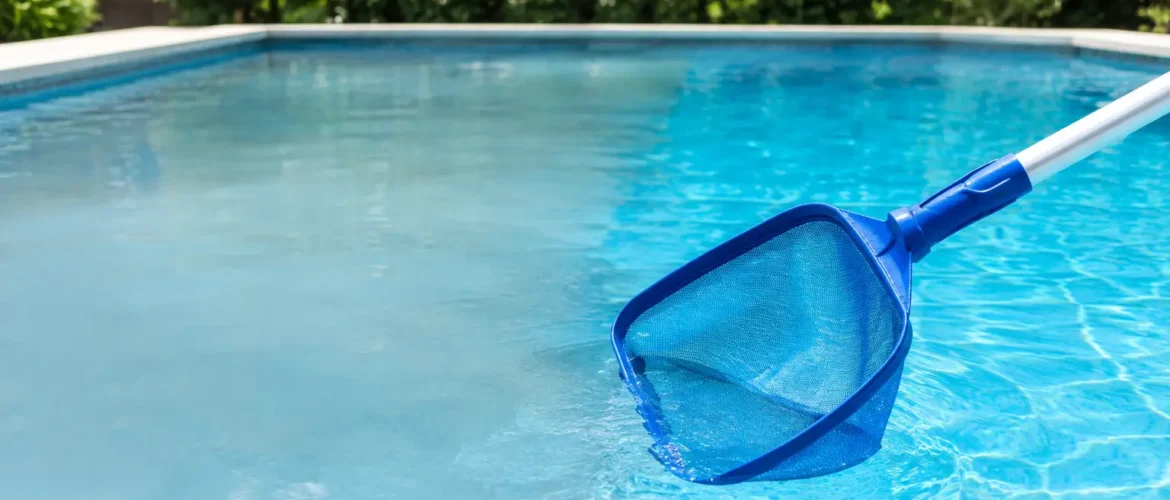
A pool can look almost perfect from the patio, then turn dull and hazy once the sun hits the water. When you need to clear pool cloudiness, the quickest answer is rarely to add more chemicals at random. Cloudy water is usually a signal that your filtration, water balance, sanitation, or circulation needs attention.
For Connecticut pool owners, this problem often shows up after a busy weekend, a stretch of heavy rain, a heat wave, or the first few weeks after opening. The good news is that most cloudy-water problems can be corrected without draining the pool. The key is identifying what is suspended in the water and correcting the cause before it becomes a larger algae or safety issue.
Why Pool Water Turns Cloudy
Cloudiness occurs when tiny particles remain suspended in the water instead of being captured by the filter or dissolved by properly balanced water. Those particles may be dirt, pollen, sunscreen, dead algae, calcium scale, bacteria, or debris brought in by swimmers and storms.
A pool can also become cloudy when chlorine is present but not working effectively. High pH, poor circulation, an overloaded filter, and excess stabilizer can all reduce chlorine’s ability to keep water clear. This is why a quick chlorine reading alone does not tell the whole story.
In a fiberglass pool, the smooth gelcoat surface helps reduce places where algae can cling. That is an advantage, but it does not eliminate the need for good circulation and regular water testing. Above ground and vinyl-lined pools face the same basic water-quality issues, although the filter type and treatment approach may differ.
Start With a Complete Water Test
Before adding shock, clarifier, or algaecide, test the water. A complete test should check free chlorine, total chlorine, pH, total alkalinity, calcium hardness, and stabilizer, also called cyanuric acid. If your pool uses salt chlorine generation, verify that the salt level is within the equipment manufacturer’s recommended range as well.
For most residential pools, pH should generally stay between 7.2 and 7.6. When pH rises too high, chlorine becomes less effective and minerals can come out of solution, giving the water a dull or milky appearance. Low alkalinity allows pH to swing too easily, while excessive calcium hardness can create a cloudy white look that is especially noticeable in clear blue water.
Pay attention to the difference between free chlorine and total chlorine. If total chlorine is significantly higher than free chlorine, chloramines may be present. These unwanted compounds can cause odors, eye irritation, and poor water clarity. The proper remedy is usually oxidation with the correct type and amount of shock, followed by filtration.
Avoid the common mistake of adding several products at once. Make one needed adjustment, allow the water to circulate, and retest as directed. Mixing chemicals or applying incompatible products close together can create dangerous reactions and make the original problem harder to diagnose.
How to Clear Pool Cloudiness Without Guessing
Once the water chemistry is moving toward the proper range, focus on circulation and filtration. Your pump and filter are responsible for removing the fine debris that makes water look hazy. Running the system for only a few hours a day may be enough when the pool is lightly used, but it is often not enough during a cloudiness problem.
Run the pump continuously until the water improves, or follow the operating guidance for your specific equipment. Check the pressure gauge before and during the process. A pressure increase of roughly 20 to 25 percent over the clean starting pressure usually means the filter needs cleaning or backwashing. Do not wait until flow is visibly weak.
The correct maintenance step depends on your filter. Sand filters may need backwashing, although excessive backwashing can reduce their ability to catch very fine particles. Cartridge filters need to be removed and thoroughly cleaned. DE filters require backwashing and replacement DE powder according to the system instructions. If the filter media is old, damaged, or poorly maintained, it may no longer capture the particles causing the haze.
Brush the pool walls, steps, floor, and waterline while the system is running. Brushing releases fine debris and early algae growth so the sanitizer and filter can address it. Use a brush suited to your pool surface. Fiberglass and vinyl liners require nonabrasive tools that will not scratch or damage the finish.
Vacuuming is equally important. If there is a visible layer of fine debris on the floor, vacuum slowly so the material is removed rather than stirred back into suspension. When dealing with a heavy amount of settled debris, vacuuming to waste may be appropriate if your system allows it. That approach lowers the water level, so it should be used carefully and followed by refilling and retesting.
When Shock, Clarifier, or Flocculant Makes Sense
Shock is useful when cloudiness is related to low sanitizer, combined chlorine, organic contamination, or the early stages of algae. It is not a substitute for filtration. After shocking, keep the pump running and give the filter time to remove what the treatment kills or oxidizes.
A pool clarifier can help very small particles bind together into larger particles that the filter can capture. It is often helpful for mild haze when the chemistry is balanced and the filter is operating correctly. More is not better. An overdose can create its own cloudy-water problem, so follow the product directions precisely.
Flocculant is a stronger option for severe cloudiness. It causes particles to clump and sink to the bottom, where they must be vacuumed out, often to waste. It can produce fast visual results, but it is more labor-intensive and not ideal for every filtration system. It is best used when you understand the vacuuming process and have a clear plan for handling the water loss.
Algaecide is not automatically the answer. If algae is present, proper sanitizer levels, brushing, and filtration do most of the work. Adding algaecide to a pool with poor circulation or incorrect chlorine levels can waste time and money.
Rule Out Equipment Problems
If your water chemistry tests well but the pool remains cloudy, look at the equipment. A clogged skimmer basket, blocked pump basket, worn pump impeller, air leak, failing pressure gauge, or undersized pump can all reduce circulation. Return jets should create visible movement across the water surface and help push debris toward the skimmers.
Also check that multiport valves are set correctly and that valves are open as intended. After a renovation, equipment replacement, or spring opening, a simple valve-position issue can leave part of the system bypassed or limit water flow.
Connecticut pools also deal with seasonal pollen, leaf debris, rainwater, and winter cover residue. At opening time, a pool may need more than routine balancing. A deep cleaning, extended filtration period, and filter service can make the difference between water that is merely blue and water that is truly clear.
When Cloudy Water Becomes a Safety Concern
Do not treat cloudy water as only a cosmetic problem. If you cannot clearly see the main drain or the entire pool floor from the deck, swimmers should stay out until visibility returns. Poor visibility makes it harder to see someone in distress and may indicate that sanitation is not under control.
If the water is green, has a strong odor, feels slippery, or remains cloudy after proper testing and filtration, professional help is worthwhile. Persistent cloudiness can point to a failing filter, hidden algae, inaccurate test readings, excess stabilizer, or a circulation problem that needs hands-on inspection.
EZ Aqua Fiberglass Pools can help Connecticut homeowners diagnose water-quality and equipment issues, whether you own a fiberglass, vinyl-lined, or above ground pool. Clear water comes from a system working together: balanced chemistry, dependable circulation, a clean filter, and regular care. Address the cause early, and your pool will be ready for the next warm day instead of becoming another weekend project.