

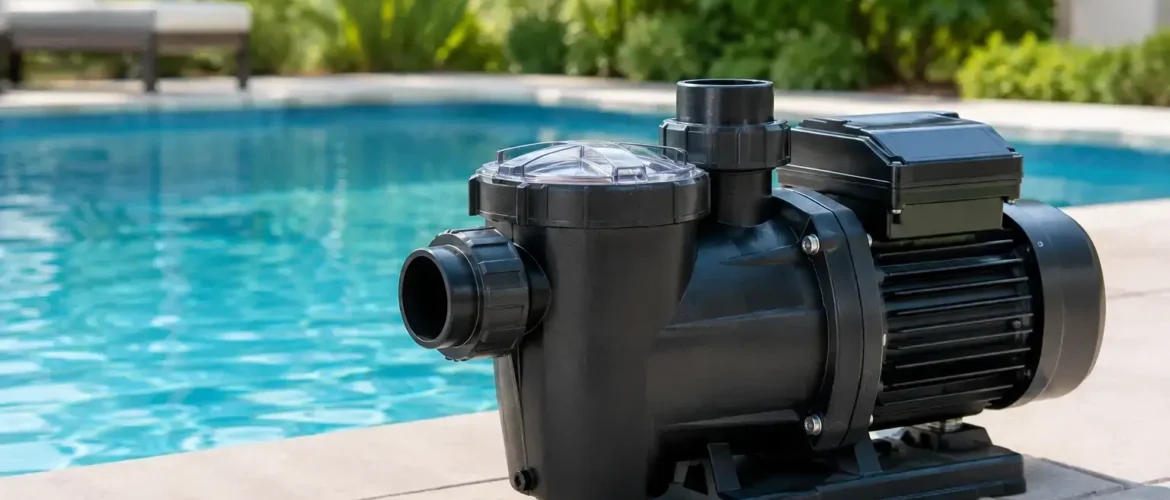
A pool pump is easy to ignore until it becomes the loudest thing in the backyard or the biggest line item on an electric bill. Most variable speed pump reviews focus on advertised energy savings, but Connecticut pool owners should also look at fit, controls, reliability, and whether the pump will work properly with the rest of the equipment pad.
A good variable speed pump can be one of the smartest upgrades for an existing pool. It can also be the wrong purchase if it is oversized, poorly programmed, or installed without checking plumbing, filter condition, and automation compatibility. Here is what separates a worthwhile pump upgrade from an expensive piece of equipment that never performs as expected.
What Variable Speed Pump Reviews Should Actually Compare
A traditional single-speed pump runs at one high speed whenever it is on. That approach moves plenty of water, but a pool rarely needs maximum flow all day. Variable speed pumps use a permanent magnet motor and let you select lower, more efficient operating speeds for everyday filtration, then increase speed when a heater, cleaner, water feature, or vacuum needs more flow.
The important point is that energy use does not decline in a straight line as pump speed drops. Reducing the motor speed can reduce power demand dramatically. That is why a properly set variable speed pump often costs far less to run than an older single-speed unit, even when it operates for more total hours.
That does not mean every homeowner will see the same savings. A pool with restrictive plumbing, a large spa spillover, several water features, or a heat pump may need higher speeds at certain times. Reviews that promise one savings number for every pool leave out the details that matter.
When comparing pumps, look beyond star ratings and ask whether reviewers mention their pool size, filter type, plumbing layout, heater, salt system, and daily run schedule. A positive review from a homeowner with a small, simple pool does not automatically apply to a larger pool with a spa and multiple features.
The Best Reasons to Upgrade
For many homeowners, lower operating cost is the primary reason to switch. A variable speed pump lets the circulation system run quietly at a lower speed for routine filtering instead of cycling at full power. It can make early morning or evening pool operation much less noticeable, especially when equipment sits near a patio, bedroom, or neighboring property.
Better control is another advantage. Most current pumps allow several programmed speeds and schedules. A typical setup might use a low speed for daily filtration, a medium speed for a salt chlorine generator, and a higher speed for vacuuming or running a water feature. Some pumps connect to automation systems or offer app-based controls, although those features add cost and are not necessary for every backyard pool.
Variable speed models can also support longer, gentler circulation periods. Consistent circulation helps distribute sanitizer and move debris toward the skimmer and filter. Still, longer runtime is not a replacement for balanced water chemistry, a clean filter, or proper brushing.
Where Reviews Can Be Misleading
The most common complaint in negative variable speed pump reviews is not usually a defective motor. It is a pump that was selected or programmed incorrectly.
An oversized pump can create problems even though it sounds like the safer choice. It may cost more upfront, run less efficiently than necessary, overwhelm smaller plumbing at high speed, and make it harder to achieve the right balance between filtration and water-feature performance. Pool pumps should be matched to the pool’s plumbing and equipment, not chosen only by horsepower.
A pump can also seem weak when the real restriction is elsewhere. A clogged cartridge filter, dirty sand filter, blocked skimmer basket, failing valve, undersized plumbing, or air leak can reduce flow. Replacing the pump without diagnosing the system can leave the original problem in place.
Controls are another area where expectations matter. Basic onboard controls are often enough for homeowners who want a reliable schedule and do not have elaborate features. Automation integration is more useful when a pool has a spa, heater, salt system, lights, cleaners, or multiple water features that need coordinated operation. Paying for advanced connectivity makes sense only if you will use it.
How to Compare Pump Features
Motor efficiency and speed range
Look for a true variable speed pump rather than a two-speed pump. Two-speed units offer limited flexibility, while a variable speed motor gives you more choices for dialing in flow and energy use. The available speed range matters, but the best setting will depend on your equipment and water conditions.
Pump size and hydraulic match
Horsepower alone is not a complete buying guide. Your installer should consider pool volume, pipe diameter, pipe length, elevation, filter type, heater requirements, and water features. A fiberglass pool with straightforward plumbing may have very different needs than an older vinyl-lined pool with a raised spa or extensive deck jets.
Ask for an explanation of the recommended size in plain language. You should know what low-speed setting will handle everyday circulation, what higher-speed setting is needed for cleaning or heating, and why that pump is appropriate for your system.
Controls and programming
A useful pump display should be easy to read and simple to program. At a minimum, homeowners should be able to set schedules, adjust speeds, and see basic operating information without calling for service. If the pump will connect to existing automation, confirm compatibility before it is installed. Not every control panel communicates with every pump brand or model.
Noise level
Variable speed pumps are generally quieter at normal filtration speeds than single-speed pumps. That difference is real, but no pump is silent. Noise can also come from vibration, loose plumbing, a failing fan, or an equipment pad that transmits sound. Reviews that mention a quiet pump are helpful, but proper installation plays a major role.
Warranty and service access
Read the warranty terms carefully, especially requirements for professional installation and product registration. A lower-priced pump is not always the better value if replacement parts are difficult to obtain or local service is limited. For a system that runs every day of the swim season, dependable support matters.
A Realistic Setup for Connecticut Pools
Connecticut’s pool season is shorter than in warmer parts of the country, but that does not make pump selection less important. During open-pool months, homeowners may run heaters, salt systems, automatic cleaners, and water features while trying to keep electrical costs under control. Variable speed operation allows you to tailor the schedule to how the pool is actually used.
For example, routine filtering may happen at a low speed during the day, with a temporary higher speed used for a heater, vacuum, or feature. The exact schedule should be based on water clarity, sanitizer needs, bather load, and equipment requirements, not copied from a neighbor’s pool.
If you close your pool for winter, ask how the pump and plumbing will be protected as part of the closing process. A quality pump is still vulnerable to freeze damage if winterization is incomplete.
Before You Buy a Variable Speed Pump
Have the current system evaluated before choosing a model. A professional should inspect the existing pump, filter, valves, plumbing, electrical supply, heater, salt cell, and automation controls. This is especially worthwhile if the present pump is old, the pool has poor circulation, or you are planning a renovation at the same time.
It also helps to discuss how you use the pool. A family that mainly swims on weekends has different needs than homeowners who run a spa nightly or want water features operating for entertaining. The right pump setup should support the way you use your backyard, not force you into a complicated routine.
EZ Aqua Fiberglass Pools can help homeowners evaluate whether a variable speed pump is the right upgrade, identify system issues that could affect performance, and set up equipment for practical day-to-day use. The best pump is not simply the highest-rated model. It is the one that fits your pool, your equipment, and your plans for enjoying the season.